
Ever watch one of those VH1, “one-hit wonders” specials, where the random D level commentators start talking about these artists that had one hit, where half of them actually had multiple songs that charted? Random commentator probably has no idea but then somewhere in there Matt Pinfield comes in with his “I’m smarter than you and probably no fun at all” persona and makes sure you know they had another song that charted exactly at #98 for one week in 1984. Well, I’m the everyman’s Pinfield but funnier and better looking. This series will go back to the 80s and spotlight one-hit wonders (in the US), real (truly only one charting hit) or perceived (other songs charted low but they are known for just one song) and come to a definitive verdict if we should accept or reject their status as that one-hit wonder.

So look at this picture above and tell me you don’t see true rock star in this one? Am I right? Jeez louise, I mean you couldn’t look any less like a camera ready frontman, could you? But enough Tutone shaming here…
Tommy Tutone was a two man band featuring Tommy Heath on vocals and rhythm guitar and Jim Keller on lead guitar and backing vocals. They had a rotating cast of musicians to fill out the rest of the positions in the band.
Of course they are considered a one hit wonder for their 1981 hit, “867-5309/Jenny” which still lives on today. It’s really an interesting tune, very strong back in the 80s but today it kind of feels like a bit of a novelty track. The tune was written by Keller and one of his buddies, Alex Call. Over the years, Keller has indicated that Jenny was a real person that they dated for a while before she ended up being really pissed that her number was on a bathroom wall. But Call has verified he wrote the chorus years before and then Keller came in an wrote the verses – but before that, it was just a random number and a girl’s name that sounded good in song. As you’re surely aware of though, it was a real number in multiple area codes and thus a lot of people got a ton of fake calls looking for Jenny.
As far as their one hit wonder status goes, they actually had another top 40 hit before Jenny. They released their first record in 1980 and the lead track was “Angel Say No,” a pretty strong rock track that hit #38 on the Billboard 100 charts. Despite that, you have to be a real 80s fan to even remember that tune, so I understand why they are considered one hit wonders.
It was the only single from the debut album and for really good reason. I’ve never bothered learning the entire backstory about how the band formed, however the vision I have in my mind (not based in any facts) is that these guys were playing cover songs in a bar and were working “Angel Say No” into their set. The right guy at Columbia records heard them and signed them to a deal. They went in the studio, recorded that song then wrote and recorded the other ten tracks in about an hour. I mean, that’s at least what it sounds like to me. The debut album simply isn’t strong past the opening track. In my opinion, one of the things that really held these guys back from having another hit was the lack of sing along choruses. “Jenny” had that but the vast majority of the tunes on all their records, don’t. And if people can’t sing along, then they don’t always come back.
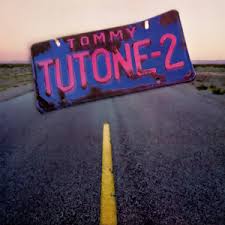
As far as their second album (Tommy Tutone – 2) goes, the hit led off that album as well and while it’s better than the first, it’s tough to listen to the full record when it’s clear you already heard the best song right up front. I was listening to this album again in order to put it fresh in my mind and I got a little chuckle when I got to track#4 – “Bernadiah.” Bernadiah is supposedly a woman and I hope to all hell that she’s real because if she isn’t, I can’t imagine how someone comes up with that name to put in song. (Frankly, even if she’s real, call her Bernie for the song). There was actually a second single from the record called “Which Man Are You” which bubbled under at #101 and I’m surprised it got that high. It’s a pretty generic song lacking any excitement like “Jenny” generated.
While I listed to Tommy Tutone – 2, I immediately thought it was better than the first album but was still somewhat dull. That said though, two artists came to mind while listening – Marshall Crenshaw and Jackson Browne. I kept getting that “Somebody’s Baby” (Browne) vibe during the listening (that track would be released in the summer of ’82, so like 6 months after TT2) but again without the catchy chorus. In fact, even after listening and actually right now, I’m singing “Somebody’s Baby” out loud, which I guess means these guys are a second rate Jackson Browne?
Apart from the lack of catchy hooks, I simply don’t think that Tommy Heath is a very strong vocalist. That hinders my enjoyment of the band for sure.
Tommy Tutone did have a third record called National Emotion, released two years later in 1983. I love the 80s with tremendous passion and I’m not sure I even remembered this. There was one single from the record, called “Get Around Girl” which falls in line with the rest of their material in terms of quality.
It also seems that Tommy Heath brought the group back a few times as they released two more albums in the mid-to-late 90s that I surely wasn’t aware existed until right now and am not even going to bother listening to as they couldn’t possibly be of any relevance to their one-hit wonder status.
Verdict: One-hit wonder status accepted. Yes, they had a song in the top 40 before “Jenny” hit big and if it had been the follow up to that song, we might all still remember it and I would have rejected their status. But it definitely didn’t stand the test of time and when your true hit song sounds like a novelty track (and has been used in novelty promotions over the years), the status is warranted. I found nothing else that really should have been a major hit for them, so I hope they still get nice residuals off “Jenny” and maybe we’ll see them again on some 80s cruise.


 The Trusty Steed