Introduction: For those of you that have stumbled
across this website and are interested in reading about my trek through
the universe of the Tidal streaming service, let me tell you a bit
about what I did. Back in 2016 I thought it would be kind of cool to
listen to artist’s catalog from start to finish and rank them from best
to worst. After all, who doesn’t like a good list? I thought I might
do a few of them and see what happened, hoping it would introduce me
to records that were foreign to me in the arsenal of an artist I was
familiar with. I also though that it would be pretty cool to get out
of the “one off” mode of listening to a new record, years after the
previous one, in order to get a true sense of how the artist matured
over time. Flash forward to June of 2019 and 250 catalogs later, I
have ended the trek. I posted these all on Facebook over the years as
they were completed but I’m going to move them all over here, starting
with #1, in order to expand them out a bit more.
As with all my catalogs, to be considered in the ranking, an album has to meet certain criteria:
The artist must actually perform on 80% of the tracks (soundtrack and rap provision)
No compilations of previous released material will be included.
The
album must have been released officially and within the realm of the
label that the artist would have been on at the time or official
releases posthumously (normally applies to a slew of live records)
Any EPs must contain new new music and be relevant to the catalog, not be more like a single with a b-side or two.
Compilations
of previously recorded material will be included if they are remixes,
bonus tracks, outtakes… mostly music that hasn’t been part of a main
release before)
Entrance Point: All the hits and early 80s records.
Summary: So this was the first catalog I aborted on my trek. I hadn’t set out planning to abort any of them obviously and I really thought I would just power through all of them but I quickly learned that if I hate what I’m listening to, then I couldn’t give it a fair shake. I actually got 11 records in before aborting this one, which might be the farthest I ended up while not being able to finish. And I’m really shocked I couldn’t make it through this one as I love funk and really thought I liked Earth, Wind & Fire but outside of the singles, I really hated a lot of the deep cuts on the records, so much so that I couldn’t bear to stick with the collection through to the end.
Ever watch one of those VH1, “one-hit wonders” specials, where the random D level commentators start talking about these artists that had one hit, where half of them actually had multiple songs that charted? Random commentator probably has no idea but then somewhere in there Matt Pinfield comes in with his “I’m smarter than you and probably no fun at all” persona and makes sure you know they had another song that charted exactly at #98 for one week in 1984. Well, I’m the everyman’s Pinfield but funnier and better looking. This series will go back to the 80s and spotlight one-hit wonders (in the US), real (truly only one charting hit) or perceived (other songs charted low but they are known for just one song) and come to a definitive verdict if we should accept or reject their position as a one-hit wonder.
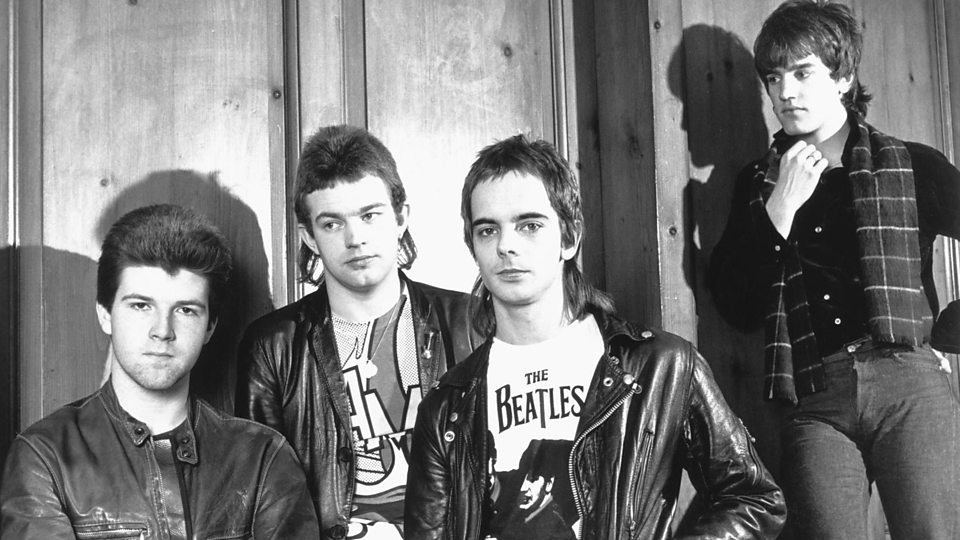
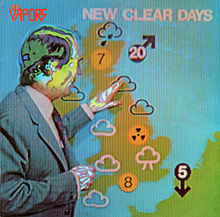
The Vapors are one-hit wonders of course for “Turning Japanese” from their debut album New Clear Days, released in 1980. But I wonder if enough people even know about their two albums to understand the band a bit deeper.
The band formed in 1978 as The Vapours but then removed the “u” to seem more marketable in the US. Their debut record came out in 1980 and while “Turning Japanese” was a hit, no other songs really were.
The Vapors were a new wave / punk band and while the hit single was a bit quirky, the rest of New Clear Days is not. In what has to be a pretty rare occasion for a one-hit wonder, the album is actually great. The album deftly mixes new wave / punk and post-punk with socially conscious and political lyrical content. The level of musicianship on the record is top notch with Howard Smith’s drumming really standing out to me.
“Turning Japanese” was the second single they released after a song called “Prisoners,” supposedly because they even thought they might be one-hit wonders if “Turning Japanese” was first.
“Prisoners”
“Prisoners” wasn’t even on the original version of the album released outside of the US. In the US, a few songs were taken out (ironically one of them is the track, “America”) and were replaced by the single. Worldwide, it didn’t appear on a record until the 2000 remaster.
As mentioned, “Turning Japanese” was the second release from their debut and of course, you’ve likely heard the legend that this song is about masturbation and the look you get on your face as you’re um, finishing. Lead singer David Fenton, who wrote the song, claims that’s not true – as the song is simply about losing the girl and then changing into a whole different person because of it. A hit song about jerking off is way more fun to believe though. That Asian-like riff you hear in the song actually is called the “Oriental riff” and is very commonly used to represent Asian culture in western songs.
“Turning Japanese”
In 2009, Kirsten Dunst recorded pretty much a note-for-note clone of the song (yes, that Kirsten Dunst).
Kirsten Dunst, “Turning Japanese”
The band released a third single called “News at Ten” and then a fourth called “Waiting for the Weekend” that failed to chart in the US. However the key track on the album for me is the punkier “Cold War.” It’s a pretty brilliant song with some great lyrics such as “Little white dogs in black and chains / screaming indignation at your high class games / ’til the lights go out / shut your eyes and go back home/ cramped and shocked in leather jeans / stoning priests and virgins ‘cos they’re much too clean / for your new machine / shut your eyes and go back home.” Unfortunately, it was the other tune removed from the US version at the time of release. And then the upbeat punk tinged new wave tune, “Somehow” probably should have been the logical follow up single to the hit. Alternately, the opening track “Spring Collection” is a quick 3-minute burst of energy that also would have made a decent single.
“Cold War”
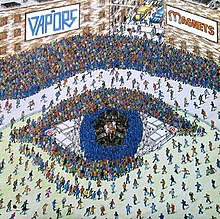
The Vapors followed New Clear Days up pretty quickly with their second album, Magnets. There were two singles released from the album with neither of them charting. “Jimmie Jones” as the second single was particularly good but was written about the famed cult leader Jim Jones, which really doesn’t scream hit pop song. The album itself pushed the new wave aspect of the band moving forward and backed off on their punk roots, not completely, but enough that the edginess of the first record is kind of lost on this one. It’s still a pretty damn fine record but the debut is significantly better.
“Jimmie Jones”
They released both their albums on United Artists and when UA got sold to Liberty records and that labeled failed to give a shit about the band, they decided it wasn’t worth their time any longer and disbanded. Lead singer David Fenton became a lawyer, guitarist Edward Bazalgette went on to become a TV director, drummer Howard Smith ran a record shop while bassist Steve Smith was the only one to stay in music and at some juncture actually joined a rap/rock band.
Verdict: One-hit wonder status rejected. Yes, “Turning Japanese” was their only hit in the U.S. so by definition, they are a one-hit-wonder however, my goal with this series is to determine if they really deserve that status and The Vapors certainly don’t. There should have been multiple hits from the first record at least and that one is definitely worth your time to take another (or maybe first) listen.


 The Trusty Steed